Daily Moisture Cream: Lightweight Face Cream
Why Hydrating Cream Should Be in Every Skincare Enthusiast's Routine
Hydrating cream plays a vital role in any skincare program. It not only supplies essential moisture but also enhances skin elasticity and overall appearance. Ideal for various skin types, it combats dryness and helps maintain a balanced complexion. With key ingredients like hyaluronic acid, these creams strengthen the skin barrier. Understanding their benefits and proper usage can transform skincare routines. Yet, many still ignore their importance. What makes hydrating cream necessary?
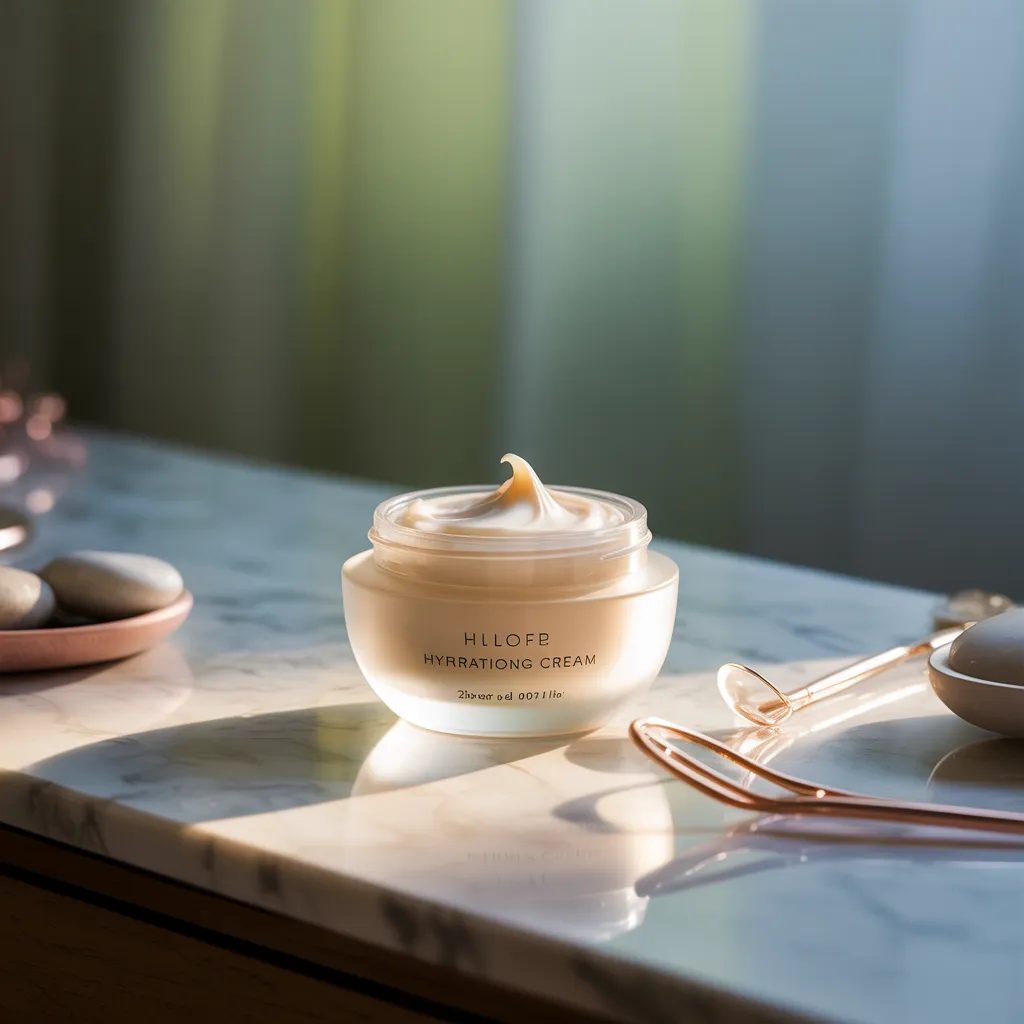
The Importance of Hydration for Healthy Skin
Adequate hydration functions as a cornerstone of healthy skin, playing an essential role in maintaining its elasticity and overall appearance. Proper moisture levels help prevent dryness, which can lead to flakiness and irritation. When skin is properly hydrated, it appears plump and radiant, boosting its natural glow. Additionally, hydration aids in the skin's barrier function, protecting against environmental aggressors and reducing the risk of premature aging. Lack of hydration can exacerbate issues such as fine lines and rough texture, making it vital to prioritize moisture in skincare routines. Numerous factors, including climate, diet, and lifestyle, can impact skin hydration levels, highlighting the importance of a consistent approach to maintaining adequate moisture for a vibrant complexion.
How Hydrating Cream Works for All Skin Types
While skin types may vary considerably, the positive effects of a properly-formulated hydrating cream remain broadly applicable. For dry skin, hydrating creams supply essential moisture, reducing tightness and flakiness. Oily skin can also reap rewards, as these creams assist in balance sebum production by preserving balance and preventing over-drying. Combination skin finds solutions through targeted hydration, guaranteeing that both dry and oily areas receive adequate moisture. Sensitive skin types experience gentle effects, as hydrating creams often contain soothing ingredients that minimize irritation and redness. Even mature skin sees advantages, with enhanced elasticity and plumpness resulting from deep hydration. Essentially, hydrating creams serve as a adaptable solution, supporting overall skin health across all types.
Key Ingredients to Look for in Hydrating Creams
Frequently, beauty lovers search for specific ingredients that increase the performance of moisturizing products. Key compounds such as hyaluronic acid are celebrated for their capability to pull in and preserve moisture, making them crucial for hydration. Glycerin, a powerful humectant, brings water into the skin, promoting a full appearance. Additionally, ceramides help reinforce the skin barrier, sealing in moisture and inhibiting transepidermal water loss. Plant-based oils like jojoba and almond oil provide nutrition and maintain skin elasticity. Antioxidants, such as vitamin E, guard against environmental stressors while enhancing skin health. Furthermore, ingredients like aloe vera relieve irritation and provide soothing benefits, making them ideal for sensitive skin. These elements collectively bring value to the total effectiveness of hydration formulas, catering to different skincare needs.
Guidelines for Adding Hydrating Cream Into Routine
How might someone smoothly incorporate hydrating cream into a daily skincare routine? To start, it is wise to apply hydrating cream immediately after cleansing to lock in moisture. Applying a toner or serum can amplify its effectiveness, as these products prepare the skin for deeper hydration. To enhance benefits, it's wise to choose a hydrating cream matched to one's skin type, whether oily, dry, or combination. Incorporating it both morning and night ensures consistent hydration. Furthermore, using a small amount, gently rubbed into the skin, can encourage absorption. For those with busy schedules, keeping the cream displayed on a vanity can serve as a reminder. Finally, layering it under sunscreen or makeup can provide an added boost of moisture throughout the day.
Popular Misconceptions About Hydrating Cream Dispelled
What false beliefs concern the use of hydrating cream? A lot of people consider that hydrating creams are only necessary for dry skin types, but all skin types can gain from hydration. Another widespread myth is that hydrating creams create an oily complexion; however, modern formulations present lightweight options ideal for oily and combination skin. Additionally, some individuals think that the presence of water in hydrating creams is enough for moisture, neglecting the importance of humectants and emollients in preserving skin hydration. Finally, there is a belief that hydrating creams are only successful when applied in large quantities, which is false; a small full article amount can offer adequate hydration. Dispelling these myths allows individuals to make informed selections for their skincare routines.
Questions & Answers
Is It Possible to Use Facial Moisturizer Beneath Makeup?
Hydrating cream can definitely be used under makeup. It delivers a smooth base, enhances moisture retention, and ensures makeup go on more evenly. Several makeup artists suggest it for getting a smooth and radiant look.
How Often Should I Apply Hydrating Cream?
Hydration cream should normally be used twice each day, during morning and nighttime routines. Still, users can modify application frequency depending on their skin type, climate conditions, and particular product guidelines for maximum hydration benefits.
Do Hydrating Creams Have Any Side Effects?
Hydrating creams can occasionally cause side effects including irritation, breakouts, or allergic reactions, particularly in individuals with sensitive skin. It is recommended to perform a patch test with new products to decrease potential adverse reactions.
Can You Use Hydrating Cream Instead of Moisturizer?
Hydrating creams can't completely substitute for moisturizers, as they serve different purposes. While these creams provide moisture, moisturizers generally create a barrier to seal in the moisture, ensuring longer-lasting skin hydration and shielding from environmental factors.
Will Hydrating Cream Benefit Oily Skin?
Hydration creams are appropriate for oily skin when they maintain a light texture and non-comedogenic properties. These formulas assist in preserving hydration levels while avoiding additional oil, allowing them to deliver hydration while preventing pore blockage.